Camping offers a unique opportunity to immerse oneself in nature, disconnect from the digital world, and connect with family and friends. However, while the allure of roasting marshmallows over a campfire and gazing up at a starry sky is undeniable, the importance of mastering survival skills cannot be overstated. In this comprehensive guide, we'll explore essential survival skills every camper should master to ensure safety, enjoyment, and preparedness during their camping adventures.
Survival Skills Every Camper Should Master
When embarking on a camping trip—whether it's a weekend getaway or an extended wilderness trekking venture—having essential survival skills can mean the difference between a memorable experience and a dangerous situation. Here’s what you need to know:
Understanding Your Environment
1. Familiarizing Yourself with Local Flora and Fauna
Before setting out on any camping adventure, it’s crucial to understand the local flora and fauna. Not only will this enhance your camping experience through wildlife observation, but it can also help you avoid potentially dangerous plants or animals.
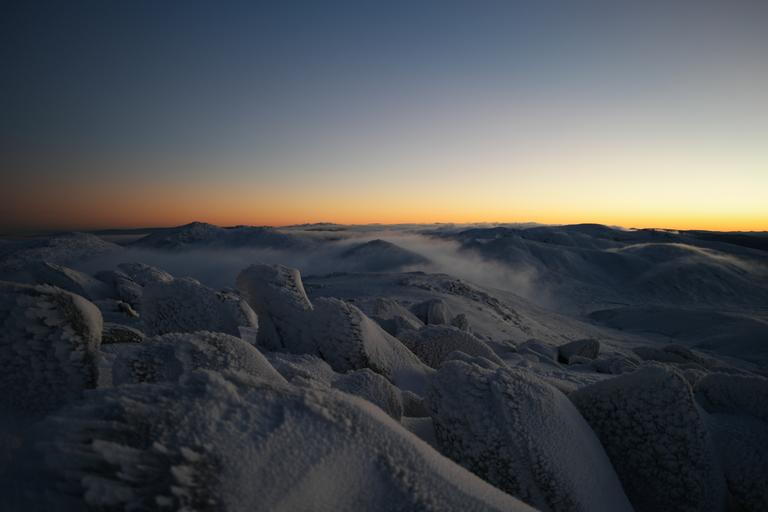
- Research Local Wildlife: Know which animals inhabit the area and learn how to behave if you encounter them. Identify Edible Plants: Familiarize yourself with edible plants versus poisonous ones to ensure safety during foraging.
2. Weather Considerations for Camping
Understanding weather patterns is vital when planning your camping trip.
- Check Forecasts: Always check weather forecasts before leaving home. Adapt Gear Accordingly: Depending on the forecast, make sure your camping gear includes four-season tents for snow or hot tents for warm weather.
Essential Camping Gear Insights
3. Choosing the Right Camping Gear
The right gear can significantly enhance your camping experience. Here’s what you need:
- Best Camping Tents: Research options like lightweight backpacking tents or spacious family tents based on your needs. Portable Camping Gear: Invest in compact gear that’s easy to transport but doesn’t compromise on quality.
4. Tent Setup Tutorials
Setting up a tent may seem simple, but doing it correctly can prevent issues later.
Choose a flat area clear of rocks. Lay down a footprint or tarp. Assemble poles according to instructions. Secure stakes firmly into the ground.Outdoor Cooking Skills
5. Mastering Outdoor Cooking Techniques
Cooking outdoors requires different techniques than cooking at home.
- Campfire Cooking: Learn various methods such as grilling over an open flame or using Dutch ovens. Camping Recipes: Explore easy recipes that require minimal ingredients but yield delicious meals.
6. Campfire Safety Practices
Campfires are often central to camping experiences but come with risks.
- Maintain a safe distance from flammable materials. Extinguish fires completely before leaving your campsite.
First Aid for Outdoor Adventures
7. Basic First Aid Knowledge
Accidents happen; being prepared is key:
- Know how to treat cuts, scrapes, and insect bites. Carry a well-stocked first aid kit tailored for outdoor adventures.
8. Emergency Communication Skills
In case of an emergency, having reliable communication is crucial:
- Carry a whistle; it can be heard over long distances. Use maps instead of relying solely on GPS signals in remote areas.
Camping Etiquette and Group Activities
9. Practicing Good Camping Etiquette
Respecting nature and fellow campers goes a long way in preserving harmony in campsites:

- Clean up after yourself; leave no trace behind. Respect quiet hours in shared campsites.
10. Engaging in Group Camping Activities
Group activities enhance bonding during trips:
- Organize games or hiking trails that everyone can enjoy together.
Sustainable Camping Practices
11. Eco-Friendly Camping Strategies
Practicing sustainable camping ensures that we preserve nature for future generations:
- Use biodegradable products whenever possible. Follow Leave No Trace principles diligently.
Hiking Trails Knowledge
12. Navigating Hiking Trails Safely
Knowledge of trails can drastically improve your hiking experience:
Use trail maps beforehand to plan routes. Stay within marked trails for safety reasons.13. Solo Camping Tips for Safety
Solo camping has its own set of challenges:
- Let someone know your itinerary before going off-grid camping alone. Carry self-defense tools if necessary.
Wildlife Encounters Preparedness
14. Understanding Animal Behavior
Knowing how to react when encountering wildlife can keep you safe:
- Understand bear behavior; know how to store food properly away from campsites. Learn about snakes prevalent in the area so you can recognize them quickly.
15 . Astronomy Nights During Camping
Stargazing adds magic to any camping trip:
- Bring binoculars or telescopes if interested in astronomy nights Research constellations beforehand so you know what to look for
FAQs About Survival Skills Every Camper Should Master
Q1: What are some essential items I should pack for my first camping trip? A1: Essentials include shelter (tent), sleeping bag, portable stove/cookware, first aid kit, water purification system, appropriate clothing layered for changing temperatures, and food supplies.
Q2: How do I choose between hot tents and four-season tents? A2: Hot tents http://innervistaofnature541.timeforchangecounselling.com/discovering-hidden-hiking-trails-near-urban-areas are ideal for winter use with additional heating sources while four-season tents are designed for extreme conditions such as heavy snow or strong winds without extra heating capabilities.
Q3: What survival skills should I prioritize learning? A3: Focus on basic navigation skills (using maps and compasses), first aid knowledge, fire-making techniques, food sourcing (foraging), and understanding weather patterns relevant to your destination.

Q4: Can I go solo camping without prior experience? A4: While it’s not impossible, beginners should consider joining group trips or practice solo trips close to home until they feel more confident navigating independently outdoors.
Q5: What are some popular hiking trails worth exploring? A5: Popular trails vary by region but may include locations like Appalachian Trail (USA), Pacific Crest Trail (USA), Torres del Paine Circuit (Chile), or Cinque Terre Trail (Italy) depending on interests in terrain types!
Q6: How do I keep my campsite eco-friendly? A6: Employ sustainable practices such as bringing reusable containers/utensils instead of disposable ones; use biodegradable soap; minimize campfire pollution by burning only dry wood & cleaning up thoroughly after departure!
Conclusion
Mastering survival skills is crucial for anyone who enjoys camping—whether you're planning family adventures filled with fun activities or rugged solo treks into secluded areas of nature! By understanding local environments better through wildlife observation & practicing good etiquette while engaging responsibly within nature's embrace using proper gear insights—it allows all campers more enriching experiences without compromising safety along the way! Remember that preparation fosters confidence! So get out there—with these tips under your belt—ready for whatever surprises Mother Nature throws at ya! Happy adventuring!
By focusing on these essential survival skills every camper should master throughout our detailed exploration above—we hope you've gained valuable insights into making memorable moments safely amidst breathtaking landscapes wherever life leads next time around!